
Insurance Fraud's Hidden Cost on Premiums
By Exero Group · Exero Group, Prague
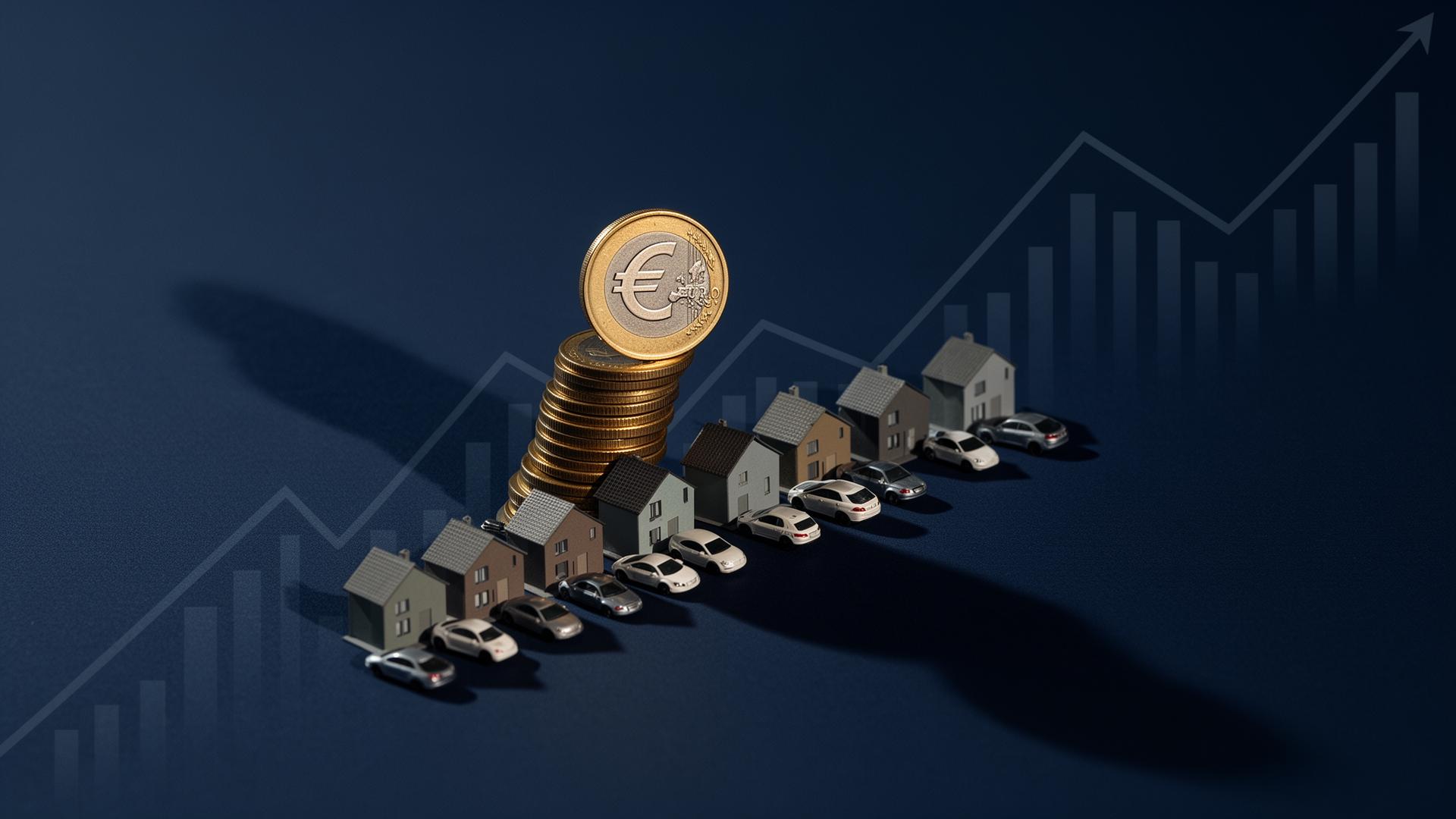
Insurance fraud is often framed as a problem between a dishonest claimant and a faceless insurer. In reality, the bill is split across millions of ordinary policyholders. Every staged collision, exaggerated injury and inflated repair invoice feeds into the loss ratios that insurers use to price next year's policies, and the people who pay are the same households and businesses doing nothing wrong.
How fraud feeds into the price you pay
Insurance pricing is not arbitrary. Premiums are built on actuarial models that combine claim frequency, average claim cost, reinsurance pricing and a margin for unexpected losses. When fraud pushes the average claim cost upward, those models recalibrate, and the new baseline becomes the new normal for everyone in that risk pool.
Industry estimates from Insurance Europe suggest that fraudulent and exaggerated claims account for up to 10% of all claims expenditure across the European market. In some lines, such as motor bodily injury and household contents, the share is significantly higher. That cost does not disappear; it is absorbed by the pool and redistributed at renewal.
Where the money actually goes
Not all insurance fraud looks like a Hollywood scam. The bulk of it is quieter and harder to detect:
- Opportunistic exaggeration, adding undamaged items to a genuine burglary claim, or inflating the value of pre-existing damage after a real incident.
- Staged motor incidents, orchestrated collisions, "crash-for-cash" rings and phantom passengers claiming whiplash injuries.
- Ghost broking, fraudulent intermediaries selling fake or doctored motor policies, leaving victims uninsured and insurers exposed.
- Inflated medical and repair invoicing, collusion with garages, clinics or contractors to overstate the cost of legitimate work.
- Identity and policy fraud, misrepresenting address, occupation or claims history to secure a lower premium that the risk does not justify.
The knock-on effect on honest policyholders
The most visible consequence is price. In motor insurance, multiple European regulators have linked persistent premium inflation directly to organised fraud activity. In property and household lines, the cost of opportunistic claim padding is baked into base rates that everyone pays, including pensioners, small businesses and first-time policyholders who have never made a claim.
The effects go beyond the renewal letter:
- Higher excesses and deductibles, as insurers shift more risk back to the policyholder.
- Stricter underwriting, with more questions, more documentation and more declined applications in higher-risk postcodes.
- Slower legitimate claim handling, because every suspicious file consumes investigator and adjuster time that should be supporting genuine victims.
- Reduced cover, as insurers withdraw products or impose tighter exclusions in lines where fraud has eroded profitability.
Why it hits the Czech and wider Central European market
Central European insurers operate in a tightly priced, highly competitive environment. Margins are thin, and the cost of even modest fraud activity is felt quickly. Cross-border vehicle fraud, document forgery and coordinated personal-injury rings have all been documented across the region in recent years, and digital tools, from AI-generated invoices to deepfaked accident photos, are lowering the barrier to entry for first-time fraudsters.
The result is a market where honest Czech motorists, homeowners and SMEs increasingly subsidise losses that have nothing to do with their own behaviour or risk profile.
What disciplined investigation actually changes
Professional claims investigation is one of the few levers that pushes back against this cycle. When suspect claims are properly verified, through OSINT, structured interviewing, discreet field work and court-ready reporting, three things happen:
- Fraudulent and exaggerated claims are declined or settled at their true value, not their inflated one.
- Loss ratios stabilise, which removes upward pressure on next year's premiums.
- Genuine claimants are paid faster, because investigator capacity is no longer absorbed by avoidable disputes.
This is not about treating policyholders as suspects. It is about applying proportionate scrutiny to the small share of claims that distort outcomes for everyone else.
The bottom line
Insurance fraud is rarely prosecuted as theft, but economically it functions as one, quietly transferring money out of the pockets of honest policyholders and into those of opportunists and organised groups. Bringing those losses back under control is not just an insurer's problem. It is the single most direct way to keep premiums affordable, cover broad and claims handling fast for the people the system is actually meant to protect.
At Exero Group, our insurance investigations are built around exactly that goal: separating the genuine from the fraudulent, with evidence that holds up, so the cost of dishonesty stops being passed on to everyone else.
Need investigative support on a similar matter?
Talk to a senior Exero Group investigator in confidence.
Assign a Case