Inside Modern Insurance Claim Probes
By Exero Group · Exero Group, Prague

Insurance fraud quietly drains billions from European insurers every year, and the pressure on claims handlers to separate genuine losses from inflated or fabricated ones has never been higher. A modern insurance claims investigation blends classic fieldwork with digital intelligence, structured interviewing, and disciplined reporting that holds up in court.
When a claim should be investigated
Not every claim needs an investigator, but certain patterns reliably justify a deeper look:
- Loss occurs shortly after a policy is taken out or upgraded.
- Inconsistencies between the first notification of loss and later statements.
- Receipts, invoices or medical records that look templated or back-dated.
- Claimant pressure for a fast settlement and refusal to provide documentation.
- Prior claims history with the same or related parties.
How a professional investigation is structured
1. Desk review and OSINT
Before anyone goes into the field, a thorough desktop review maps the claimant, the loss event, and the wider network. Open-source intelligence (OSINT), public registries, social media, business filings, news archives and image forensics, often resolves the question before a single euro is spent on surveillance.
2. Targeted field verification
When digital evidence is inconclusive, discreet field work confirms the facts: site inspections, neighbourhood enquiries, and lawful, proportionate surveillance. Every step is logged with chain-of-custody discipline so the evidence can survive challenge.
3. Structured interviews
Trained investigators use cognitive and PEACE-style interviewing to gather a full account without leading the subject. Contradictions are noted, not confronted prematurely, so the strongest version of the claimant's story is captured for analysis.
4. Court-ready reporting
The deliverable is not a dossier of suspicions, it is an evidenced, neutral report that an adjuster, lawyer or judge can act on. Findings are separated from inferences, sources are cited, and limitations are stated openly.
Common red flags in 2026
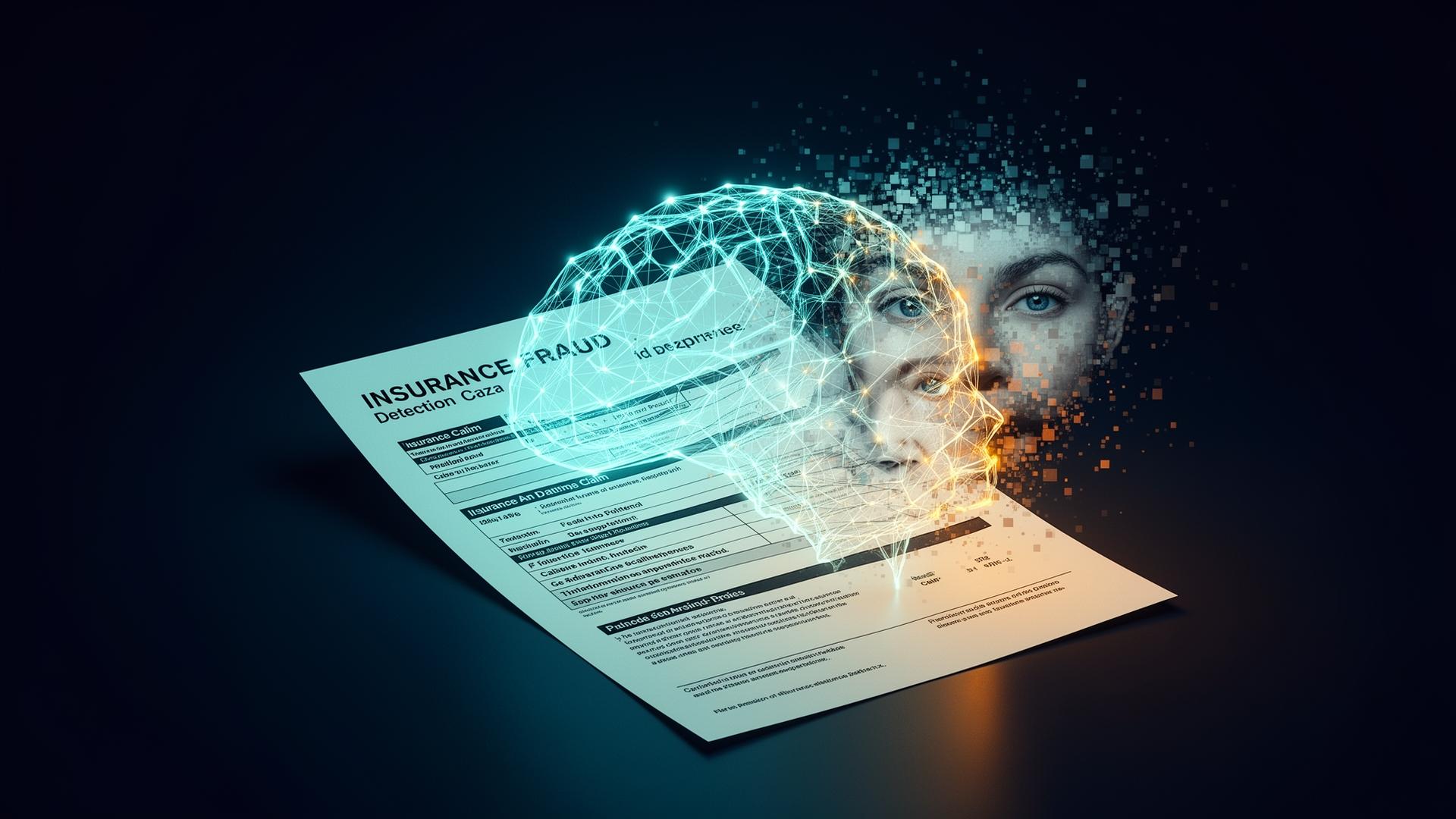
- AI-generated documents and images. Synthetic invoices, fabricated damage photos and deepfake voicemails are now routine. Provenance checks and metadata analysis matter more than ever.
- Recycled losses. The same damaged item appearing in multiple claims across insurers.
- Network overlap. Repeat witnesses, repair shops or medical providers across unrelated claims.
- Lifestyle inconsistency. Public posts that contradict the alleged injury, location or financial loss.
Privacy, proportionality and GDPR
European investigations live or die by proportionality. Surveillance must be necessary, limited in time and scope, and documented against a clear lawful basis. Reports should record what was not observed as carefully as what was, and personal data must be minimised, secured and deleted on schedule.
Working with an external investigator
The most efficient claims teams treat investigators as an extension of the desk rather than a last resort. A short triage call early in the file life-cycle, ideally within the first 14 days, almost always produces a better outcome than a panicked instruction weeks before a limitation deadline.
If you handle sensitive insurance claims and want a confidential second opinion on a file, get in touch with our team. We work across the Czech Republic and the wider EU, in English and Czech, with court-ready deliverables.
Need investigative support on a similar matter?
Talk to a senior Exero Group investigator in confidence.
Assign a Case