How Generative AI Is Reshaping Insurance Fraud
Introduction
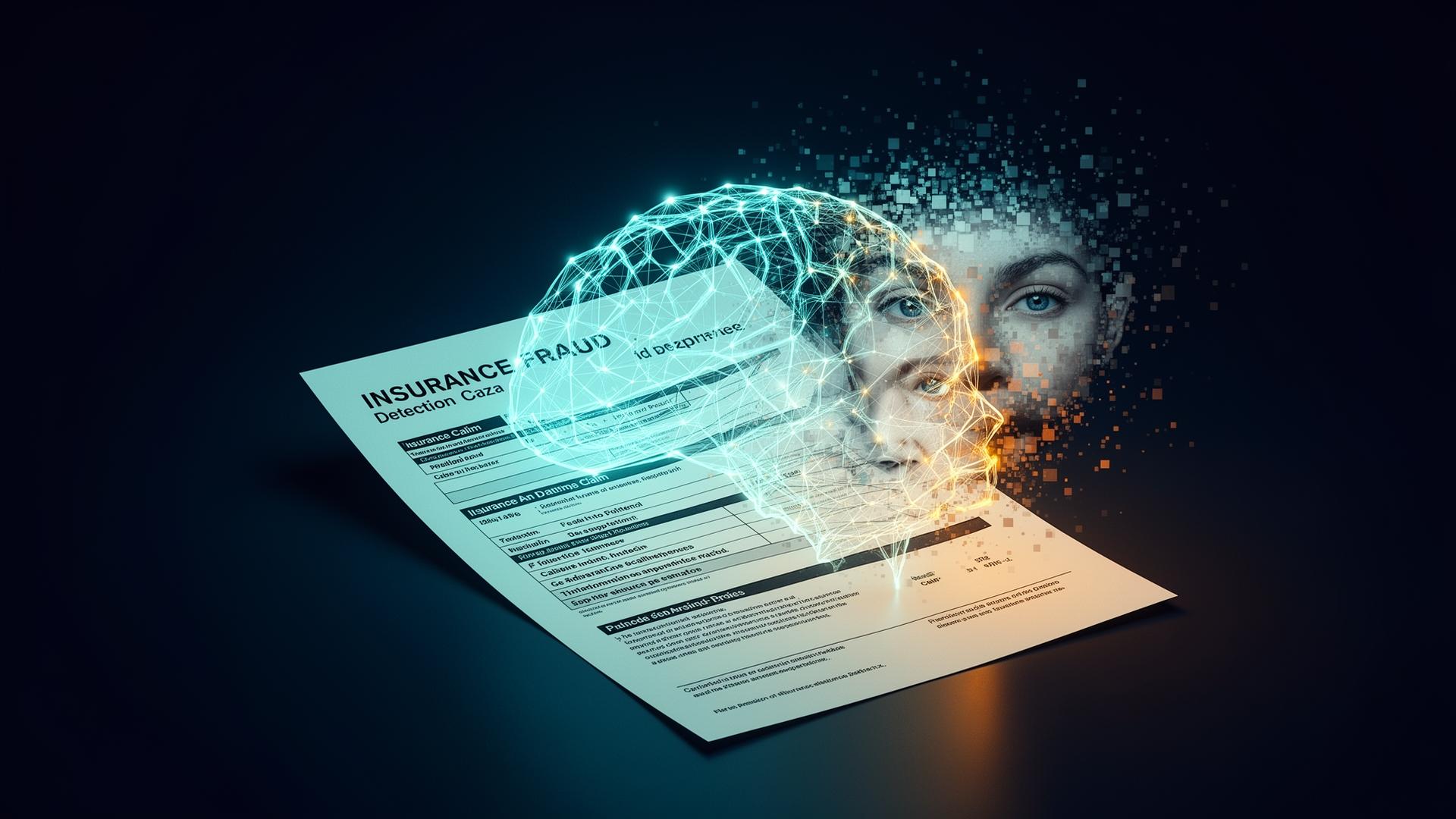
Insurance fraud has always evolved alongside technology, but the rapid adoption of generative artificial intelligence has accelerated this evolution at a pace the industry has never seen before. What once required Photoshop skills, staged scenes, or fabricated paperwork can now be produced in seconds with a simple text prompt.
Across Europe and globally, insurers, reinsurers, TPAs and self-insured corporations are reporting a sharp increase in claims supported by AI-generated images, synthetic documents, deepfake videos and automated narratives. At Exero Group, we are seeing this trend first-hand in the cases referred to us for independent verification and SIU support.
Why AI-Driven Fraud Is Growing So Quickly
Several factors are driving the rise of AI in fraudulent claims:
- Free or low-cost generative tools are widely accessible
- Image and video quality has reached near-photorealistic levels
- Large language models can draft convincing claim narratives, medical descriptions and witness statements
- Synthetic identities can be assembled from public data in minutes
- Detection tools and adjuster training have not kept pace with the technology
The result is a fraud landscape where the cost of producing a fake claim has collapsed, while the potential payout remains the same.
Common Forms of AI-Enabled Insurance Fraud
1. AI-Generated Damage Photos
Generative image models can create realistic photographs of car accidents, water damage, fire damage, broken phones, damaged luggage and even bodily injuries. These images often pass casual review and are increasingly being submitted as primary evidence in motor, property and travel claims.
2. Deepfake Videos and Voice Clones
Deepfake technology is now being used to fabricate video statements, simulate witnesses, or impersonate claimants and policyholders during phone verification. Voice cloning, in particular, poses a significant threat to call-center fraud controls.
3. Synthetic Documents and Invoices
Repair invoices, medical reports, police reports, receipts and proof-of-ownership documents can all be generated or altered using AI. The layouts, fonts and formatting are often indistinguishable from genuine documents at first glance.
4. Synthetic Identities
Fraudsters combine real and fabricated personal data to create entirely synthetic policyholders. These identities are then used to take out policies and file claims, often across multiple insurers and jurisdictions.
5. AI-Written Claim Narratives
Large language models can draft consistent, emotionally persuasive accounts of incidents that align perfectly with policy wording. Adjusters increasingly encounter narratives that read as “too clean”, well-structured, free of contradictions, and tailored to coverage triggers.
How Investigators Detect AI-Generated Fraud
While AI has empowered fraudsters, it has also given investigators new tools and methods to identify manipulation. At Exero Group, our verification process for suspicious claims typically includes:
- Reverse image searches and metadata analysis
- Forensic review of EXIF data, compression artifacts and pixel-level inconsistencies
- Cross-checking of documents against known templates and issuing authorities
- OSINT verification of claimants, witnesses and supporting parties
- On-the-ground inquiries, neighborhood checks and discreet surveillance
- Behavioral and linguistic analysis of written statements
The combination of digital forensics with traditional field investigation remains the most reliable way to separate genuine claims from synthetic ones.
What Insurers Should Do Now
To stay ahead of AI-driven fraud, insurers and SIU teams should consider the following steps:
- Update fraud indicators and red-flag lists to include AI-specific markers
- Train adjusters to recognize signs of synthetic media and AI-written narratives
- Require original device-captured photographs with intact metadata where possible
- Introduce additional verification for high-value or high-risk claims
- Engage independent investigators early when AI involvement is suspected
Internal controls alone are rarely sufficient. Independent verification provides an objective layer of scrutiny and admissible evidence that supports settlement, denial or referral to law enforcement.
How Exero Group Supports Insurers
At Exero Group, we provide independent claim verification and SIU support across Europe. Our investigators combine covert surveillance, activity of everyday living checks, neighborhood inquiries, social media analysis and witness interviews with digital forensics tailored to AI-driven fraud patterns.
Every assignment is scoped to the indemnity question, conducted in a legally compliant manner, and reported with evidence that holds up to legal and regulatory scrutiny.
Conclusion
The increase in the use of AI in fraudulent insurance claims is not a future threat, it is already reshaping how claims are presented and investigated. Insurers that adapt their detection methods, train their teams, and partner with experienced investigators will be best placed to protect indemnity, reduce loss, and maintain trust in the claims process.
Exero Group helps insurers turn AI-driven uncertainty into evidence-based decisions.
Need investigative support on a similar matter?
Talk to an Exero Group investigator in confidence.
Assign a Case