
How AI Is Changing the Investigation Landscape
By Exero Group · Exero Group, Prague
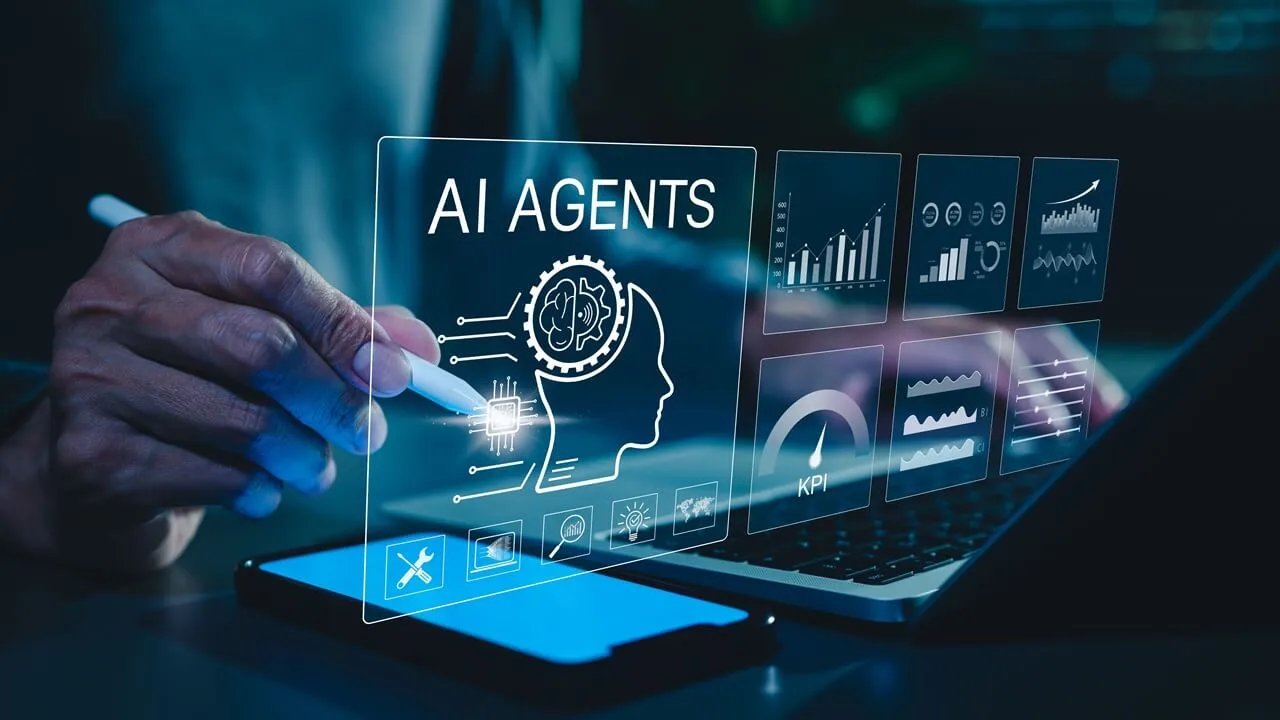
The Opportunities, Risks, and Realities of AI in Modern Investigations
Introduction
Artificial intelligence is no longer a future concept, it is actively reshaping industries across the globe. Investigative services are no exception. From fraud detection to digital forensics, AI is accelerating processes that once required weeks of manual effort.
But as with any powerful tool, artificial intelligence brings both opportunity and risk. While AI can enhance speed, pattern recognition, and predictive analysis, it also raises questions about privacy, bias, and over-reliance on automation.
At Exero Group, we view AI not as a replacement for investigators, but as a force multiplier, a technology that enhances human expertise while requiring careful oversight.
The Positive Impact of AI on Investigations
Faster Data Processing
Modern investigations often involve massive volumes of data: financial transactions, communications, social media activity, public records, and more. AI systems can analyze thousands of data points in seconds, identifying patterns that would take humans significantly longer to detect.
This capability is especially valuable in:
- Insurance fraud investigations
- Corporate risk assessments
- Cross-border financial investigations
- Large-scale digital evidence reviews
Pattern Recognition and Anomaly Detection
AI excels at identifying anomalies. In fraud investigations, small irregularities may signal larger misconduct. AI systems can flag:
- Suspicious transaction patterns
- Inconsistent claim behavior
- Unusual communication networks
- Coordinated misinformation campaigns
These early detections allow investigators to focus on high-risk areas instead of manually reviewing every record.
Predictive Risk Analysis
Advanced AI models can analyze historical data to forecast potential risks. For example:
- Identifying employees more likely to commit internal fraud
- Predicting insurance claims with higher probability of exaggeration
- Detecting emerging cyber threats before major damage occurs
This predictive capability transforms investigations from reactive to proactive.
The Risks and Challenges of AI in Investigations
While AI offers powerful advantages, it also introduces real concerns that cannot be ignored.
Algorithmic Bias
I systems are only as objective as the data used to train them. If historical data contains bias, the AI may replicate or amplify those patterns. In investigative work, this could lead to:
- Misidentifying individuals as high risk
- Reinforcing flawed assumptions
- Over-targeting certain behaviors without context
Human oversight is essential to prevent unjust conclusions.
Privacy and Legal Compliance
AI can process vast amounts of personal data. Without strict controls, this creates potential privacy violations and regulatory exposure, particularly in regions governed by strict frameworks such as GDPR.
Investigations must balance technological capability with legal boundaries.
Over-Reliance on Automation
AI identifies patterns. It does not understand nuance, motive, or context the way a trained investigator does.
An anomaly in data does not automatically equal wrongdoing.
A flagged communication does not automatically prove intent.
Human analysis remains critical to interpret findings accurately.
The Balanced Approach: Technology + Human Expertise
The future of investigations is not fully automated, it is augmented.
At Exero Group, we integrate AI tools into a structured investigative methodology that includes:
- Human validation of AI findings
- Legal compliance review
- Behavioral and contextual analysis
- Professional judgment before conclusions are drawn
AI helps us process data faster and uncover hidden connections.Experienced investigators determine what those findings actually mean.
This hybrid model delivers the efficiency of technology without sacrificing accuracy or ethical responsibility.
How AI Is Shaping the Future of Investigative Services
Looking forward, AI will continue to transform the industry through:
- Real-time fraud monitoring
- Advanced digital footprint mapping
- Automated document intelligence
- Enhanced cybersecurity investigations
Organizations that fail to adopt responsible AI tools risk falling behind. However, those who adopt AI without proper oversight risk legal and reputational consequences.
The competitive advantage lies in disciplined integration, using AI strategically, ethically, and intelligently.
Conclusion
Artificial intelligence is undeniably changing the investigative landscape. It accelerates analysis, strengthens fraud detection, and enables proactive risk management. Yet it also demands responsibility, transparency, and human judgment.
At Exero Group, we embrace innovation while maintaining the core principles of professional investigation: accuracy, integrity, and accountability. By combining advanced AI capabilities with seasoned investigative expertise, we deliver smarter, faster, and more reliable results for our clients.
The future of investigations is not man versus machine. It is man empowered by machine, guided by experience, ethics, and truth.
Need investigative support on a similar matter?
Talk to an Exero Group investigator in confidence.
Assign a Case