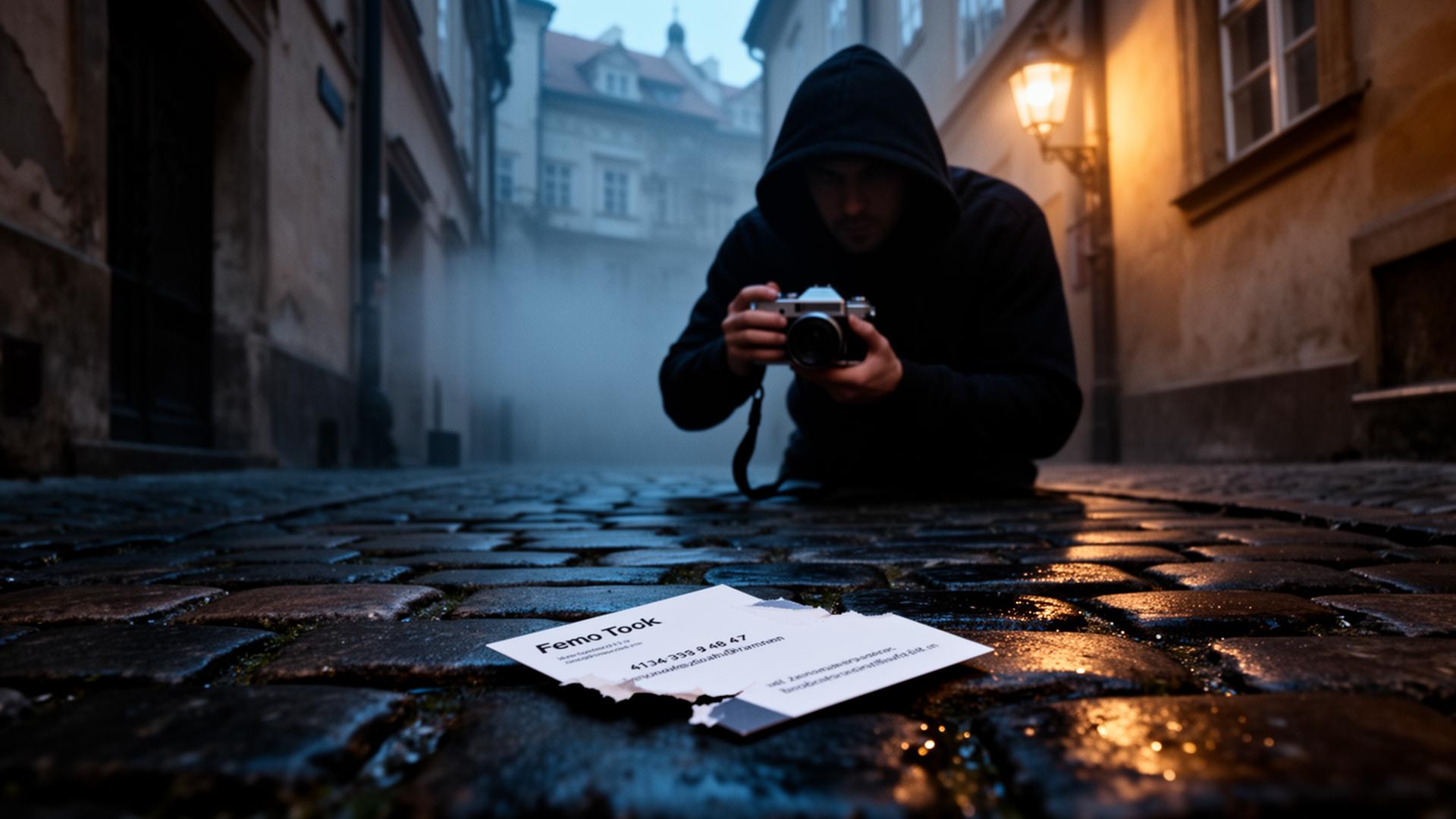
Psychology of Deception: Detecting Fraud
Autor: Exero Group · Exero Group, Praha
Dostupné pouze v angličtině

Published by Exero Group, Prague, CZ
Introduction
Fraud and deception are not just about what people say-they’re also about how they act. At Exero Group, we understand that lies often leave subtle clues that can be detected through behavioral analysis, psychological profiling, and expert interrogation techniques. In this article, we explore the psychology of deception, the tactics criminals use to deceive others, and how our team of investigators uses this knowledge to expose fraud and uncover the truth.
Understanding Deception: Why Do People Lie?
Humans lie for a variety of reasons. Some do it to avoid punishment or gain a personal advantage, while others lie out of habit or self-preservation. Understanding the motivations behind deception is crucial for investigators, as it provides insight into the psychological triggers that can reveal when someone is being dishonest.
The key psychological drivers behind deception include:
- Fear of Consequences: People often lie to avoid punishment or negative repercussions.
- Desire for Gain: Financial or personal gain can motivate individuals to deceive others.
- Self-Preservation: In situations where someone feels threatened or vulnerable, lying can feel like a necessary defense mechanism.
Detecting Lies: The Key Behavioral Cues
Detecting deception involves looking for inconsistencies in behavior, speech, and body language. Fraudsters often fail to control these cues, even if they are skilled at lying. Some of the most common indicators of deception include:
- Inconsistent Stories: Liars often tell inconsistent stories or contradict themselves during questioning. By paying close attention to these discrepancies, investigators can identify when someone is trying to cover up the truth.
- Body Language: Body language plays a critical role in detecting deception. Signs like avoiding eye contact, fidgeting, or nervous gestures may indicate that someone is lying. Conversely, over-controlled or exaggerated body language can also be a sign of dishonesty.
- Microexpressions: These brief, involuntary facial expressions can reveal emotions that a person may be trying to conceal. A quick flash of fear or guilt, for example, may indicate that the person is lying.
- Speech Patterns: Liars often display changes in speech patterns, such as hesitating, using fewer details, or offering overly elaborate explanations. Investigators trained in deception detection can spot these subtle changes during interviews.
The Tools and Techniques Used by Exero Group
At Exero Group, we rely on a combination of psychological expertise, behavioral analysis, and advanced interrogation techniques to detect lies and uncover fraud. Some of the tools and methods we use include:
- Behavioral Analysis: Our investigators are trained to recognize the subtle signs of deception, from body language to speech patterns. By studying these cues, we can determine whether a person is lying or telling the truth.
- Polygraph Testing: In certain cases, we may use polygraph testing to help confirm the truthfulness of a person’s statements. While not foolproof, polygraphs can be a valuable tool in certain investigative contexts.
- Psychological Profiling: Understanding the psychological motivations of individuals allows us to better predict their actions and detect inconsistencies in their stories.
Conclusion
Detecting deception is both an art and a science. By understanding the psychology behind why people lie and the behavioral cues that indicate dishonesty, Exero Group is able to expose fraud and uncover the truth. Whether it’s through careful observation, psychological analysis, or advanced techniques like polygraph testing, our team uses every tool at its disposal to ensure that our investigations lead to the right conclusions.
Potřebujete vyšetřovací podporu v podobné věci?
Promluvte si s vedoucím vyšetřovatelem Exero Group v důvěře.
Zadat případ