The State of Fraud in the EU: Emerging Trends and Industries at Risk
Autor: Exero Group · Exero Group, Praha
Dostupné pouze v angličtině
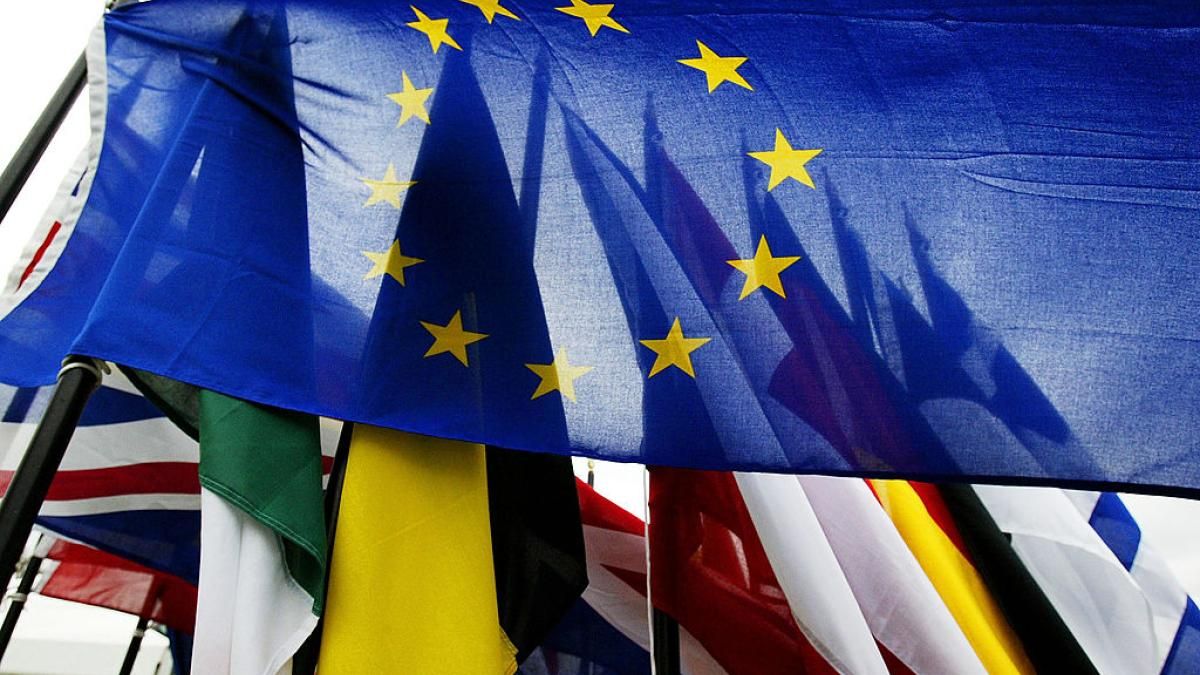
How Fraud is Evolving in 2025 and What Businesses Need to Know
Published by Exero Group, Prague, CZ
Introduction
Fraud remains a significant challenge for businesses and governments across the European Union, with evolving tactics and increasingly sophisticated schemes emerging in 2025. From financial fraud to cybercrime, various industries face new risks as criminals exploit digital vulnerabilities, regulatory gaps, and global supply chain complexities. In this article, we explore the most affected industries, the latest fraud schemes, and how businesses can protect themselves.
Financial Fraud: A Growing Concern for Banks and Fintech Companies
Financial institutions in the EU are prime targets for fraudsters, with digital payment fraud, identity theft, and money laundering schemes increasing at an alarming rate. As banking services become more digitized, criminals have adapted, using AI-powered fraud, phishing scams, and deepfake technology to exploit vulnerabilities.
Key Risks:
- Synthetic identity fraud in digital banking.
- Money laundering through cryptocurrency transactions.
- Insider threats leading to unauthorized access to sensitive financial data.
Cybercrime: The Digital Threat to EU Businesses
Cybercrime has evolved into one of the most dangerous threats to businesses in 2025. Ransomware attacks, data breaches, and business email compromise (BEC) fraud are among the top threats affecting corporations and government entities alike.
Key Risks:
- Large-scale ransomware attacks targeting critical infrastructure.
- Phishing and social engineering scams leading to financial and reputational damage.
- The rise of AI-generated cyberattacks and deepfake impersonation fraud.
Supply Chain and Logistics Fraud: The Hidden Danger
With global supply chains becoming more complex, fraudsters have found ways to manipulate transactions, steal goods, and engage in illicit trade. Fictitious pickups, invoice fraud, and cargo theft are on the rise, costing companies billions in losses.
Key Risks:
- Fake shipping documents and fraudulent invoices.
- Cargo theft through compromised logistics networks.
- Counterfeit goods entering legitimate supply chains.
Insurance and Healthcare Fraud: The Costly Consequences
Insurance fraud has grown in sophistication, affecting health, auto, and corporate insurance sectors. Fraudulent claims, staged accidents, and medical billing fraud contribute to rising costs and operational risks for insurers and healthcare providers.
Key Risks:
- Falsified medical claims and ghost patients.
- Staged accidents leading to fraudulent compensation claims.
- Exaggerated business interruption claims post-COVID recovery.
Conclusion: How Exero Group Can Help
As fraud threats continue to evolve, businesses need proactive strategies to mitigate risks and protect their assets. Exero Group specializes in fraud detection, cyber risk assessments, financial investigations, and supply chain security audits. By using modern investigative techniques and OSINT intelligence, Exero Group helps organizations identify vulnerabilities, uncover fraudulent schemes, and strengthen security measures to prevent financial losses.
Potřebujete vyšetřovací podporu v podobné věci?
Promluvte si s vedoucím vyšetřovatelem Exero Group v důvěře.
Zadat případ